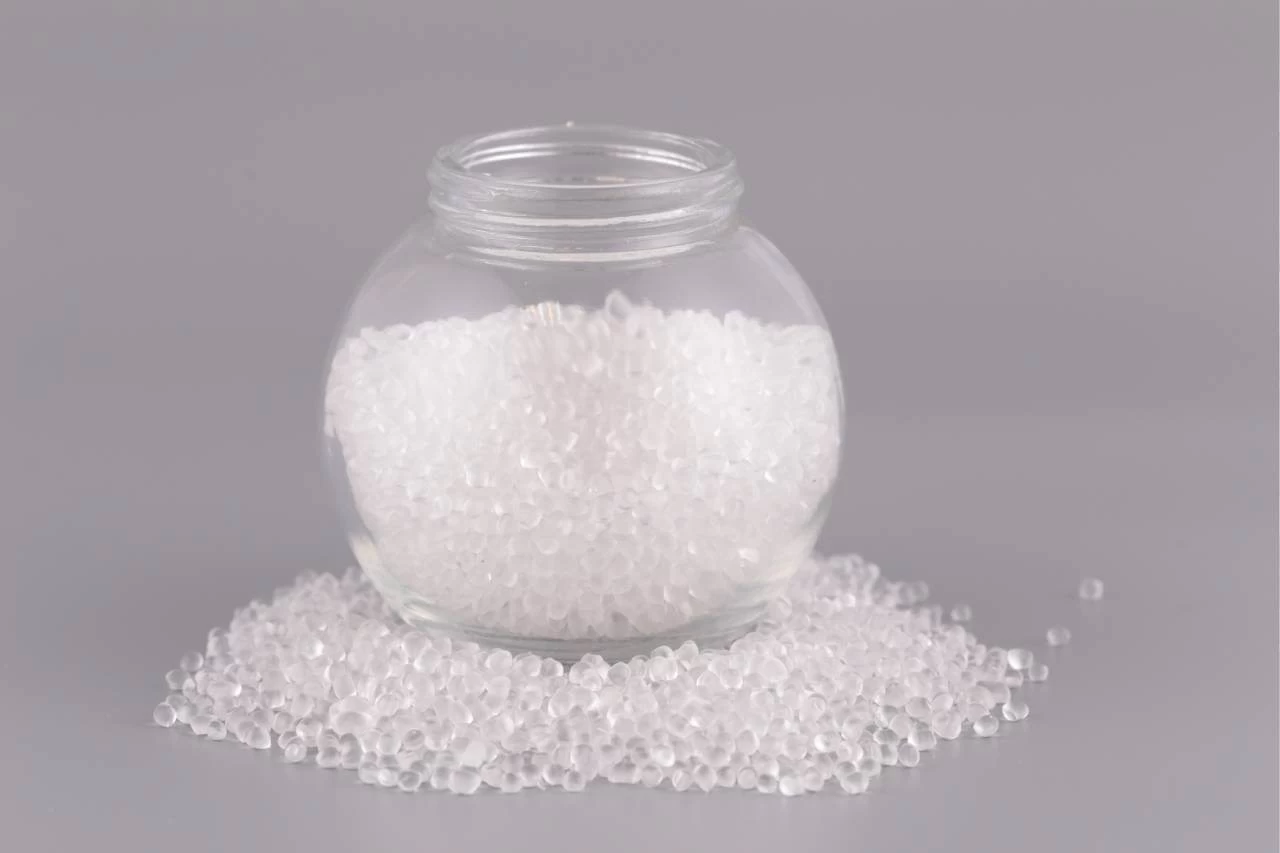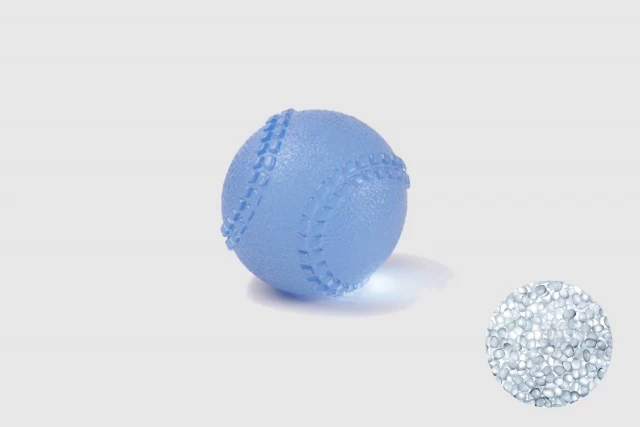
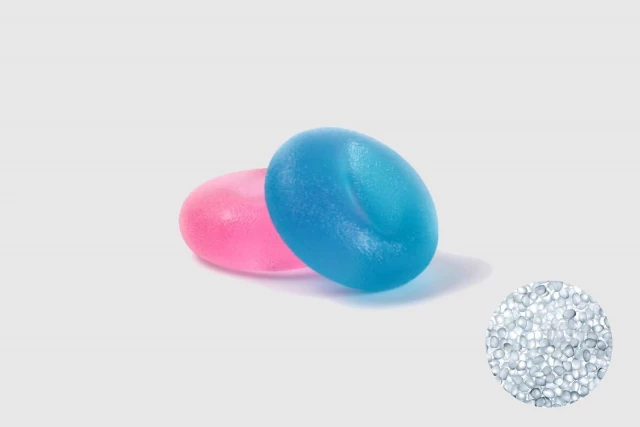
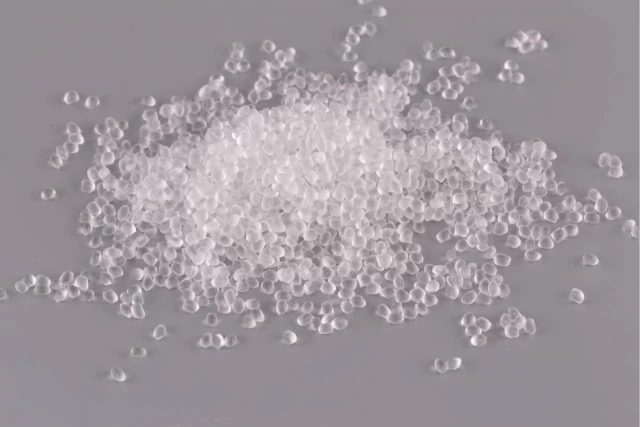
Transparent Thermoplastic Elastomers (TPEs) are advanced engineering materials that combine high optical clarity with excellent elastic performance. They are specifically designed for applications that demand both superior aesthetics and functional performance.
This product series achieves an optimal balance among transparency, elasticity, and production stability. It not only enhances the visual value of end products but also strengthens user confidence in quality and reliability.
Compared to conventional materials such as Silicone, PVC, and other elastomers, t Transparent Thermoplastic Elastomers (TPEs) offer greater processing flexibility, enhanced design freedom, and stable mass production capabilities. They are widely used in medical, consumer, and skin-contact applications.
Why Choose T Series for Skin-Friendly Applications?
The T Series is engineered to enhance touch quality and user comfort, making it suitable for:
Key Advantages of T Series Ultra-Soft TPE
Typical Applications
Stress Relief & Tactile Products
Skin-Contact Consumer Products
Medical & Rehabilitation Applications
Specialty Applications
Applicable processing methods
T Series ultra-soft transparent TPEs are suitable for:
Even at extremely low hardness levels, the material maintains excellent flowability and molding stability, ensuring consistent transparency and tactile quality under standard processing conditions.
By optimizing mold temperature and injection parameters, manufacturers can achieve both premium surface finish and superior touch performance, making it ideal for products where tactile experience is the core selling point.
Summary
If you are looking for:
The T Series Transparent TPE provides an optimal solution that balances tactile excellence, visual appeal, and manufacturing efficiency.
Specification
| Test Item | Test Method | Unit | Specification | |||||
|---|---|---|---|---|---|---|---|---|
| T05C | T10C | T15C | T20C | T30C | T40C | |||
| Density | ASTM D792 | g/cm3 | 0.9±0.03 | 0.9±0.03 | 0.9±0.03 | 0.9±0.03 | 0.9±0.03 | 0.9±0.03 |
| Hardness | ASTM D2240 | Shore C | 05±3 | 10±3 | 15±3 | 20±3 | 30±3 | 40±3 |
| Tensile Strength | ASTM D412 | Kg/cm2 | 7 | 7 | 7 | 6.5 | 6.5 | 6.5 |
| Elongation | ASTM D412 | % | 1000 | 1000 | 1000 | 900 | 900 | 950 |
| Tear Strength | ASTM D624 Die C | Kg/cm2 | 1.2 | 1.2 | 4.5 | 0.6 | 0.9 | 1.2 |
| Resistance to High Temperature Aging |
ASTM D573 136°C 7D | % TB/EB | 80/85 | 80/85 | 80/85 | 80/85 | 80/85 | 80/85 |
| Rebound Elasticity | CNS K1392 | % | 60 | 60 | 60 | 57 | 60 | 60 |
| Heat Resistance | W-O-M 63°C 500hrs | % TB/EB | 75/75 | 75/75 | 75/75 | 75/75 | 75/76 | 75/76 |
| Brittle Temperature | ASTM D746 | °C | -60 | -60 | -60 | -60 | -60 | -60 |